Indonesia Siapkan 6,859 Masjid Ramah Mudik untuk Perayaan Eid
Kutipan Media - RRI.CO.ID, Jakarta - Indonesia’s Minister of Religious Affairs, Nasaruddin Umar, outlined a series of strategic agendas to support smooth homecoming travel, Nyepi, and Eid al-Fitr celebrations. He said the ministry has prepared mosque-based services through the “Mudik-Friendly Mosque” program.
The program includes 24-hour mosque access along major homecoming routes. It also provides secured prayer and parking areas, clean toilets with ablution facilities, phone charging stations, comfortable prayer spaces, rest areas, drinking water, light meals, and information centers for travelers.
“Nationwide, a total of 6,859 Mudik-Friendly Mosque posts have been prepared along various homecoming routes,” the minister said in Jakarta, Monday 2 March 2026. He added that the initiative reflects the government’s commitment to improving public services during peak travel periods.
To further strengthen the role of mosques as public service centers, the ministry also launched the 2026 Indonesian Mosque Expedition (EMI) program. The initiative aims to showcase mosques as welcoming rest stops while highlighting humanistic and inclusive service practices during the outbound and return travel seasons.
The EMI program will be carried out through travel coverage along homecoming routes in collaboration with Radio Elshinta. The kick-off is scheduled for eight days before Eid, with implementation from seven days before to seven days after Eid, from March 13 to 29, 2026.
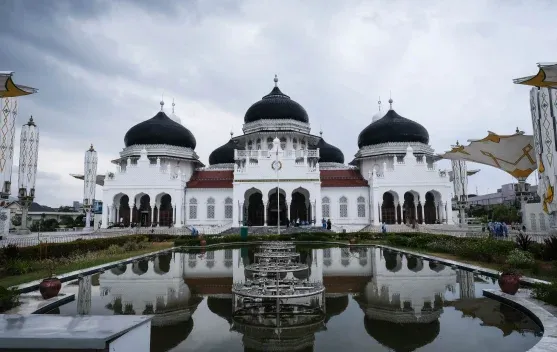
Participating mosques are categorized into several groups, including Main Transit Mosques, Urban Buffer Mosques, Provincial or Regency City Mosques, Historic Iconic Mosques, and Mosques in High-Risk Areas such as ports, border crossings, and congestion-prone routes. The classification is intended to ensure targeted services based on location and travel intensity.
The minister also addressed preparations for Nyepi Day in Bali, which falls on March 19, 2026. He explained that if Eid al-Fitr falls on March 20, takbiran in Bali will still be permitted but conducted in a limited manner without loudspeakers, vehicle parades, or excessive lighting as a form of interfaith tolerance.
However, if Eid falls on March 21, both Nyepi and takbiran observances can proceed normally according to their respective schedules. “The state must be present to ensure that people can worship and travel safely and humanely, and mosques are an important part of that public service,” Nasaruddin said.
Recent News